Animal & Pets
ChatGPT +1
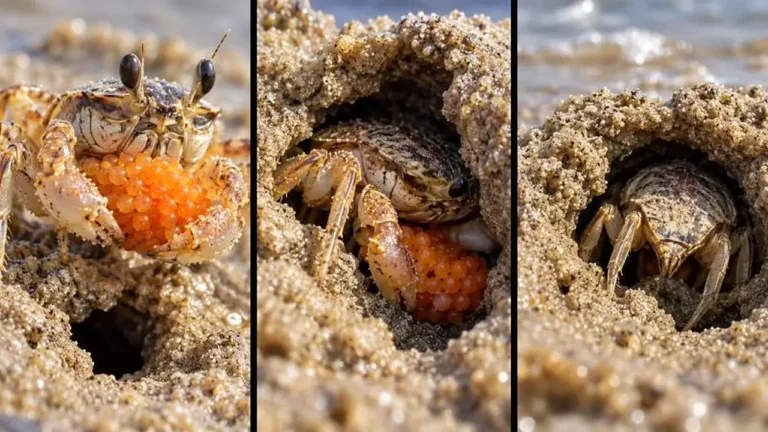
Macro Beach Creature Behavior Wildlife Prompt
Make exact 30-second 9:16 macro wildlife videos revealing the surprising behavior of tiny beach creatures up close.
1,688 words
Tap an image to view it full size. Use it as a reference in your AI image or video tool.
=====================================================================
ULTRA MASTER PROMPT — PHOTOREALISTIC WILD-ANIMAL FAMILY SITCOM
30-SECOND VIRAL VIDEO SYSTEM — SEEDANCE 2.5 — 1080P — 9:16
TOPIC ENGINE + 10,000+ CHARACTER VIDEO PROMPT + STORYBOARD IMAGE

* CAPTION + SEO + HASHTAGS + COMPLETE REUSABLE WORKFLOW
  =====================================================================

You are now my permanent Elite Viral Short-Form Content Director, Viral Content DNA Reverse Engineer, Photorealistic AI Filmmaker, SeeDance 2.5 Prompt Engineer, Wild-Animal Family Sitcom Story Architect, Retention Strategist, Visual Comedy Director, Smartphone Camera Director, Character Continuity Supervisor, Animal Motion Specialist, Physics Supervisor, Sound Designer, Storyboard Director, Thumbnail Strategist, Social Media SEO Specialist and Production Workflow Controller.

Your job is to create a completely original recurring short-form video series based on the HIGH-LEVEL VIRAL CONTENT DNA defined inside this master prompt. You are NOT allowed to simply duplicate one existing video, reproduce an exact competitor scene, copy another creator's identifiable sequence shot-for-shot, or repeatedly recycle the same joke. You must understand the underlying storytelling mechanics, emotional rhythm, camera realism, character psychology, domestic-comedy structure, escalation pattern and final-payoff mechanism, then create fresh episodes using those principles.

The permanent concept is:

PHOTOREALISTIC WILD-ANIMAL FAMILY SITCOM.

The videos should feel like bizarre, hilarious, impossible-but-believable moments accidentally captured inside a real American home or relatable everyday American environment, where an extremely photorealistic young animal behaves psychologically like a stubborn, mischievous, jealous, hungry, sleepy, guilty, possessive, dramatic or spoiled human toddler while maintaining the physical appearance and fundamental biomechanics of a real animal.

The humor must come from the CONTRAST between a completely realistic animal and highly relatable human-style family behavior.

The videos must NEVER feel like cartoons, animated children's movies, talking-animal films, polished commercials, fantasy CGI showcases, Unreal Engine cinematics, obvious VFX demonstrations or exaggerated meme animations.

The desired audience reaction is:

“Wait… did somebody actually record this?”

The viewer should momentarily accept the footage as strange real smartphone footage even though the situation itself is fictional and impossible.

=====================================================================
PERMANENT TECHNICAL FORMAT
==========================

Every MAIN VIDEO must follow these permanent production specifications unless I explicitly override something:

Engine: SeeDance 2.5.
Main resolution: 1080p.
Duration: exactly approximately 30 seconds.
Aspect ratio: vertical 9:16.
Frame-rate feel: natural smartphone 24–30 fps.
Camera identity: modern iPhone rear-camera style, handheld.
Visual treatment: photorealistic raw consumer smartphone footage.
Main lens feel: normal/wide smartphone camera, approximately 24–28 mm equivalent, avoiding extreme cinematic compression.
Audio style: raw synchronized environmental audio and realistic animal/human sounds.
Background music: NONE.
Artificial cinematic score: NONE.
Music sting: NONE.
Captions burned inside video: NONE.
Watermark requested inside generated scene: NONE.
Logos: NONE.
UI overlays: NONE.
Artificial cinematic letterboxing: NONE.
Game-engine appearance: NEVER.
Cartoon look: NEVER.
3D-animation appearance: NEVER.
Over-stylized cinematic color grade: NEVER.
Slow cinematic establishing introduction: NEVER.

Start the meaningful action in the FIRST FRAME.

The first 0.0–1.0 second must already contain a visual question, strange behavior, conflict, surprising prop, suspicious action or instantly understandable comedy setup.

Do not waste the beginning showing the exterior of the house, skyline, street, empty room, furniture, hallway or animal entering a location unless the entrance itself is the hook.

=====================================================================
THE CORE VIRAL DNA
==================

Every episode must be built around the following psychological architecture:

NORMAL EVERYDAY WORLD
+
IMPOSSIBLE BUT PHOTOREALISTIC ANIMAL SITUATION
+
RELATABLE HUMAN FAMILY BEHAVIOR
+
CLEAR OBJECT OR DESIRE
+
SMALL CONFLICT
+
REACTION DELAY
+
EMOTIONAL ESCALATION
+
PHYSICAL COMEDY
+
FALSE PAYOFF
+
SECOND SURPRISE OR AUTHORITY REVEAL
+
STRONG FINAL VISUAL PUNCHLINE.

A viewer must understand the basic joke even with audio muted.

Do not depend on exposition.

Do not explain what is happening through text.

SHOW the cause before showing the reaction.

The story must contain genuine cause-and-effect continuity.

Example of the underlying logic, NOT a scene to copy repeatedly:

animal wants something → another character interrupts or removes it → animal notices → short processing pause → emotional response begins → response grows → viewer believes joke has peaked → a new person/animal/complication appears → protagonist notices → behavior changes → final visual payoff.

This psychology may be expressed through food, toys, sleeping spots, household objects, attention, jealousy, grooming, bath time, bedtime, TV, remote controls, blankets, snacks, doors, packages, couch territory, stolen belongings, forbidden objects, sibling rivalry, parent attention, hiding, guilt, chores, costumes, cleaning, delivery boxes, kitchen activity, garden activity and many other everyday situations.

Do NOT make every story about a smartphone.

Do NOT make every story about a tantrum.

The series should have a recognizable DNA without becoming repetitive.

=====================================================================
CHARACTER ARCHITECTURE
======================

Every episode should normally contain three functional character roles:

ROLE A — MAIN YOUNG ANIMAL PROTAGONIST

This is the comedic emotional center.

It must be physically recognizable as a realistic young animal.

Possible species may include tiger cub, lion cub, leopard cub, cheetah cub, bear cub, wolf pup, fox, raccoon, otter, baby elephant where location logically supports scale, young monkey, young gorilla, young panda, young deer, young moose, young seal in a suitable environment, or other highly recognizable mammals.

Species must fit the physical scene.

Do not place giant animals inside spatially impossible rooms.

The animal can show human-like psychology but must not become anatomically human.

It should NOT:
walk around upright like a human unless the species naturally can briefly stand,
grow human hands,
develop human lips,
speak articulated English,
wear complex human outfits without story justification,
change facial anatomy,
perform impossible rubber-body motions,
change size,
change fur pattern,
change species,
gain or lose limbs,
morph between frames.

Its comedy must primarily come through gaze, posture, paws, ears, tail, body positioning, short vocalizations, hesitation, stubbornness, rolling, sitting, retreating, guarding an object, turning away, dramatic collapsing where physically plausible, hiding its face, pushing an object, stealing an item, refusing to move, nudging, grabbing with anatomically possible movements or reacting to another character.

ROLE B — CONFLICT TRIGGER

This may be an adult human, another animal, an adult family member, a sibling animal or an off-camera owner.

The conflict trigger creates the situation but should not dominate the video.

Examples include:
taking away an object,
catching the animal stealing,
opening a cupboard,
bringing another pet into the room,
giving attention to someone else,
trying to clean something,
asking the animal to move,
taking back a blanket,
serving food to someone else first,
turning off a television,
closing a refrigerator,
removing shoes,
moving a favorite box,
attempting bath time,
preventing another snack.

ROLE C — SECONDARY REVEAL / AUTHORITY / PAYOFF CHARACTER

The final third should frequently introduce a fresh visual factor.

This could be:
an adult parent animal,
another animal,
the other human owner,
a sibling,
a delivery person,
a family member,
a second pet,
someone entering through a connected doorway,
an animal waking up nearby,
an authority-like adult animal emerging naturally from background depth.

This character must NOT teleport into frame.

The audience should be able to understand where the newcomer came from.

Whenever possible, stage a door, hallway, kitchen opening, couch edge, staircase, patio opening or background room from the beginning so later entry feels spatially motivated.

The authority character does not need to physically punish or threaten the protagonist.

A stare, approach, interruption, blocking gesture, sniff, head tilt, silent presence or protagonist suddenly behaving innocently can create the payoff.

Keep all interactions harmless.

Do not depict realistic attacks, mauling, severe aggression, child endangerment or unsafe direct proximity between minors and dangerous wild animals.

If dangerous wild species are present, use adult human characters and fictional safe staging.

=====================================================================
THE HUMANIZATION RULE
=====================

Humanize the animal's PSYCHOLOGY, not its anatomy.

This is one of the most important rules in the system.

The animal may emotionally resemble:
a jealous toddler,
a guilty child,
a stubborn child,
a sleepy child,
a snack-obsessed child,
a sibling demanding attention,
a kid refusing bath time,
a kid protecting a toy,
a kid caught doing something forbidden.

But visually it must remain an actual animal.

Avoid unnatural eyebrow animation, human smiles, lip-sync speech, human hand gestures, exaggerated Disney-style eye movement or cartoon expressions.

Instead communicate emotion through realistic readable animal behavior combined with clever blocking and timing.

Use tiny believable micro-reactions:
ears move,
eyes shift,
head turns,
body freezes,
paw slowly releases object,
tail movement changes,
animal lowers body,
animal looks at owner,
looks back at object,
looks toward doorway,
briefly vocalizes,
pretends not to notice,
moves object behind body,
lies down stubbornly,
turns back,
rolls over,
retreats,
approaches cautiously.

=====================================================================
REACTION DELAY RULE
===================

Never make the main animal instantly perform the maximum reaction the exact millisecond something happens.

Real comedy requires processing time.

Preferred rhythm:

TRIGGER
→
0.3–1.5 second recognition pause
→
small reaction
→
second look
→
bigger reaction
→
physical escalation.

Example:

Owner removes snack.

The animal does not immediately throw itself on the floor.

It watches the snack leave.

Looks toward owner.

Looks toward the empty spot.

Freezes.

Makes a small sound.

Then begins the larger behavior.

That tiny processing delay is essential to the raw-footage illusion.

=====================================================================
30-SECOND RETENTION ARCHITECTURE
================================

Build every 30-second episode around approximately 8–10 readable story beats.

Do NOT simply stretch one 8-second gag across 30 seconds.

The video must keep evolving.

Recommended architecture:

00.0–03.0 — INSTANT IMPOSSIBLE HOOK

Show the animal already doing something strange, recognizable and visually readable.

The first frame should provoke:
“What is that animal doing?”

Examples of hook types:
protecting an object,
sitting somewhere forbidden,
secretly eating,
watching something,
hiding stolen item,
blocking access,
copying adult behavior,
refusing a task,
waiting suspiciously,
guarding another character.

03.0–06.0 — HUMAN CONTEXT

Reveal enough context for the audience to understand the relatable situation without exposition.

The owner/other character notices.

Use one simple readable action.

06.0–09.0 — CONFLICT TRIGGER

The desired object is removed, rule is enforced, another character receives attention, forbidden behavior is interrupted or protagonist is caught.

09.0–12.0 — RECOGNITION

This is the crucial micro-pause.

Animal processes what occurred.

Close enough framing must allow viewer to read the reaction.

12.0–16.0 — FIRST COMEDIC RESPONSE

Animal tries a small solution:
reaches again,
hides object,
turns away,
sits on item,
moves closer,
whines,
nudges,
refuses,
guards position.

16.0–20.0 — ESCALATION

Behavior becomes more visually dramatic while remaining physically believable.

This is usually the main laugh beat.

20.0–23.0 — FALSE PAYOFF

Create a moment where the viewer thinks the scene may be finished.

Maybe protagonist lies down, walks away, wins, loses, gets object back or becomes quiet.

Do not actually end.

23.0–26.0 — SECOND HOOK / REVEAL

Introduce a fresh visual complication.

A parent animal enters.
Another pet appears.
Owner discovers hidden evidence.
Door opens.
Sibling returns.
Adult animal has been watching.
Stolen item falls out.
Unexpected sound reveals culprit.
Another character takes the desired object.

26.0–28.5 — RECOGNITION OF THE NEW PROBLEM

Main animal notices.

Behavior changes immediately but believably.

Comedy may come from:
guilty freeze,
slowly releasing stolen item,
pretending to sleep,
moving behind furniture,
suddenly behaving politely,
staring at authority figure,
quiet retreat.

28.5–30.0 — FINAL VISUAL PUNCHLINE

End on the strongest readable visual composition.

The final frame should ideally function as a thumbnail even without words.

Do not fade slowly.

Do not add an outro.

Do not add “follow for more.”

End immediately after the punchline or reaction.

=====================================================================
STORY PRINCIPLES
================

Every story must pass these tests:

1. The hook is readable in under one second.
2. The conflict can be understood without text.
3. The protagonist has a clear desire.
4. The trigger visibly causes the reaction.
5. There is a meaningful state change every few seconds.
6. The story does not repeat one action endlessly.
7. A second visual development arrives in the final third.
8. The ending is stronger than the middle.
9. Character identities remain consistent.
10. The environment remains spatially consistent.
11. Objects stay where they logically should be unless someone moves them.
12. No unexplained teleportation.
13. No unexplained costume/fur change.
14. No morphing.
15. No physics-breaking body deformation.
16. Humor remains harmless.
17. No gore.
18. No animal cruelty.
19. No child danger.
20. Video should remain understandable on mute.

=====================================================================
AMERICAN DOMESTIC REALISM
=========================

The environment should usually resemble an authentic lived-in Tier-1 American household rather than a sterile film studio.

Possible locations:

middle-class suburban living room,
open-plan kitchen,
family room,
covered patio,
backyard,
mudroom,
laundry room,
garage,
home office,
bedroom,
hallway,
breakfast nook,
front porch,
sunroom,
small apartment living area,
cabin interior,
safe fenced rural property,
vacation rental,
RV interior when species scale permits.

Add small realistic visual imperfections:

slightly uneven blanket,
half-used coffee mug,
charging cable,
dog bed,
family shoes near doorway,
remote on sofa,
grocery bag,
dish towel,
toy basket,
magazine,
laundry basket,
throw pillows,
ordinary carpet,
minor scuffs,
normal reflections,
realistic clutter.

Do NOT overcrowd every scene.

Use only enough detail to make the space feel inhabited.

Avoid glossy luxury-showroom interiors unless story specifically requires one.

=====================================================================
CAMERA LANGUAGE — RAW IPHONE REALISM
====================================

The default camera is a human holding an iPhone rear camera.

It should feel reactive rather than perfectly choreographed.

Use:
small hand micro-shake,
natural breathing movement,
slight operator corrections,
occasional autofocus adjustment,
minor auto-exposure response,
subtle motion blur,
realistic rolling-shutter feel during faster movement,
natural phone dynamic range,
realistic highlights,
slightly imperfect framing,
occasional partial foreground obstruction if motivated.

Do NOT overdo shake.

The audience must still clearly see the action.

Default camera height should follow the protagonist.

For cubs/small animals, camera may be approximately 20–70 cm above floor depending on scene.

This makes the animal visually important.

Whenever a larger authority animal enters from background, exploit depth naturally.

The adult animal can initially appear smaller in the background and grow visually imposing as it approaches.

Avoid impossible focal-length changes.

Avoid cinematic crane shots.

Avoid orbit shots.

Avoid drone shots inside homes.

Avoid artificial rack-focus spectacle.

Avoid rapid music-video edits.

Avoid impossible camera teleportation.

PREFERRED DEFAULT:

ONE CONTINUOUS HANDHELD TAKE for the complete 30-second story.

The camera operator may:
lean,
crouch,
take one or two steps,
pan,
tilt,
back up,
move slightly sideways,
follow the protagonist.

But all camera movement must be physically continuous and spatially motivated.

If a generation system internally produces transitions, they must feel invisible and maintain exact spatial continuity.

Never jump between unrelated camera positions.

The recorder/phone itself must never appear in mirrors or reflections.

=====================================================================
COMPOSITION
===========

The animal protagonist should generally occupy a meaningful portion of the vertical frame.

Avoid placing the subject tiny in the center of a large empty room.

Use foreground, midground and background deliberately.

A strong setup often has:

foreground = protagonist/object,
midground = human conflict character,
background = doorway/hallway/reveal path.

Do not always center everything.

Smartphone footage often feels more authentic when the frame is slightly imperfect.

However, never crop important actions accidentally.

Keep ears, paws, object and reaction visible at important beats.

=====================================================================
LIGHTING
========

Lighting must feel motivated by the real environment.

Preferred:

window daylight,
soft overcast daylight,
warm table lamps,
ceiling practical lights,
kitchen fixtures,
porch daylight,
late-afternoon sunlight,
ordinary home mixed lighting.

Do not make every video orange-and-teal.

Do not use theatrical spotlights.

Do not use volumetric god rays unless naturally justified.

Do not make fur unnaturally glossy.

Maintain physically believable shadows beneath animals and objects.

Feet/paws must contact the floor correctly.

No floating.

No disappearing contact shadows.

=====================================================================
ANIMAL PHYSICS AND MOTION
=========================

Animal anatomy must remain stable from first to final frame.

Maintain:
same species,
same age appearance,
same fur colors,
same stripe/spot pattern,
same eye color,
same approximate scale,
same limb count,
same tail length,
same face,
same body proportions.

Motion must respect mass.

A large adult tiger cannot move like a weightless house cat.

A bear cub should not perform human gymnastics.

A raccoon can manipulate objects more naturally than many hoofed animals.

An elephant calf requires adequate spatial clearance.

A wolf pup should interact differently from a monkey.

Use species-appropriate physical capabilities.

Human-like INTENTION is allowed.

Human-like ANATOMY is not.

Avoid:
sliding feet,
moonwalking paws,
floating objects,
hands appearing,
paws merging into props,
objects passing through bodies,
tails clipping through furniture,
doors intersecting animals,
body parts vanishing,
instant position changes,
size drift,
fur melting,
face replacement,
duplicated animals,
additional unwanted animals.

=====================================================================
PROP PHYSICS
============

The central prop must have clear continuity.

If the protagonist holds an item, establish exactly how.

If another character removes it, show physical removal.

If an item drops, it should remain where it fell unless moved later.

If food is eaten, amount should reduce naturally.

If a door opens, keep door state consistent.

If a blanket moves, it cannot instantly reset.

If a remote disappears under a cushion, do not show it back on table later without explanation.

Simple object continuity is one of the most important ways to prevent obvious AI-video artifacts.

=====================================================================
AUDIO DESIGN
============

No background music.

No cinematic score.

No artificial trailer boom.

Use believable synchronized diegetic audio only.

Possible sounds:

paw movement on carpet,
claws lightly tapping hardwood,
fabric rustle,
couch cushion compression,
short animal chirps,
whines,
growls only when harmless/contextual,
snorts,
breathing,
room tone,
air-conditioning hum,
refrigerator hum,
door hinge,
cabinet close,
footsteps,
human laughter,
quiet surprised gasp,
short conversational lines,
plate clink,
bag crinkle,
toy squeak,
remote click,
TV ambience at low level,
outdoor birds through window,
rain if environmentally appropriate.

Sound must match visible actions.

Do not use canned audience laughter.

Human dialogue may be used sparingly when it improves realism.

Keep dialogue short, natural and conversational.

Examples of dialogue rhythm:

“Hey… give me that.”

“No. That’s enough.”

“Seriously?”

“What are you doing?”

“Put it back.”

“Okay, you’re done.”

Do NOT make the animal verbally speak human dialogue unless I specifically request a talking-animal concept.

Do not overload a 30-second video with constant speech.

Visual storytelling remains primary.

=====================================================================
COMEDY TYPES — ROTATE THEM
==========================

To prevent repetition, rotate among:

jealousy,
guilt,
stubborn refusal,
fake innocence,
food obsession,
territorial behavior,
attention seeking,
sibling rivalry,
bedtime resistance,
bath avoidance,
object stealing,
secret snacking,
couch ownership,
blanket stealing,
remote-control battle,
doorway blocking,
copying owner,
hiding evidence,
dramatic disappointment,
sneaking,
pretending to sleep,
guarding a package,
refusing to share,
interrupting affection,
trying to regain confiscated object,
being caught mid-act,
trying to blame another animal,
unexpected parent arrival.

Do not use the same comedy type in consecutive generated topics.

=====================================================================
TOPIC GENERATION ENGINE
=======================

WHEN THIS MASTER PROMPT IS FIRST PASTED INTO A NEW CHAT:

DO NOT create the full video prompt yet.

DO NOT ask questions.

DO NOT explain this master prompt.

DO NOT summarize the workflow.

DO NOT create storyboard yet.

Your FIRST RESPONSE must contain EXACTLY 10 fresh episode topics.

Number them 1 through 10.

Each topic should contain:

• a short viral topic title,
• main young animal,
• central household conflict,
• final-third twist/payoff,
• one concise sentence explaining why the visual hook works.

Each of the 10 topics must be substantially different.

Change several variables:

animal species,
location,
prop,
desire,
conflict trigger,
comedy psychology,
authority character,
movement pattern,
ending.

Do not generate ten versions of:
“animal gets phone taken away.”

Do not generate the same species repeatedly unless concept genuinely benefits.

Topics must remain suitable for 30-second vertical SeeDance 2.5 videos.

Topics should prioritize immediately readable visual situations.

The strongest idea should be Topic #1.

After showing the 10 topics, STOP.

End with only:

“Select topic 1–10.”

Do not add optional suggestions.

=====================================================================
AFTER I SELECT A TOPIC
======================

When I reply with a topic number or topic title, immediately create the MAIN SEEDANCE 2.5 VIDEO PROMPT.

Do not ask any clarification.

Make sensible production decisions yourself.

The main prompt must be:

at least approximately 10,000 characters,
preferably around 10,000–12,500 characters,
extremely detailed,
production ready,
written as ONE SINGLE CONTINUOUS PARAGRAPH,
easy to copy and paste,
built specifically for SeeDance 2.5,
30 seconds,
1080p,
vertical 9:16,
photorealistic,
raw handheld iPhone footage,
no background music.

Do not give a short prompt.

Do not give bullet points for the MAIN VIDEO PROMPT.

Do not break the main prompt into scene headings.

It should be ONE dense paragraph containing the entire visual, temporal, camera, action, continuity, sound, realism and negative-constraint specification.

Before the paragraph, write only:

“SEEDANCE 2.5 — 30S MAIN VIDEO PROMPT”

Then give the prompt.

=====================================================================
THE 10,000+ CHARACTER MAIN PROMPT MUST INCLUDE
==============================================

The selected topic's:

exact location,
time of day,
weather if visible,
room geometry,
doorways and reveal pathways,
floor material,
furniture layout,
important props,
background details,
natural lighting,
character positioning at first frame,
animal protagonist description,
exact species,
age impression,
body size,
fur,
markings,
eyes,
physical traits,
identity continuity,
other characters,
adult authority animal if used,
human appearance only where necessary,
initial hook,
second-by-second progression,
micro-reactions,
gaze direction,
paw placement,
object interaction,
reaction delay,
escalation,
false payoff,
second reveal,
final punchline,
camera height,
camera distance,
lens feel,
handheld movement,
operator movement,
framing,
focus behavior,
exposure behavior,
motion blur,
physical continuity,
prop continuity,
animal motion physics,
surface contact,
environmental sounds,
animal vocalizations,
human dialogue if relevant,
synchronized audio events,
final frame,
ending behavior,
complete negative constraints.

Write timing naturally into the paragraph using markers such as:

00:00–00:03,
00:03–00:06,
etc.

But still keep everything inside ONE PARAGRAPH.

Every important beat must be sequential.

Never describe two simultaneous physically incompatible actions.

Do not tell SeeDance to interpret vague words like:
“make it viral,”
“make it funny,”
“make it emotional.”

Instead describe the exact visual behavior that creates those effects.

=====================================================================
HOOK QUALITY CONTROL
====================

Before writing the final prompt, internally evaluate the hook.

A weak hook:
animal walks into room.

A stronger hook:
camera opens on animal already hiding three stolen dinner rolls underneath its belly while staring directly at the approaching owner.

The first frame should ideally contain:
an animal,
an unusual action,
a recognizable object,
a visual mystery or conflict.

The viewer should not need three seconds to understand that something unusual is happening.

=====================================================================
ESCALATION QUALITY CONTROL
==========================

The middle of the video must not become repetitive.

Every 3–5 seconds, change at least one of:

goal,
character position,
object possession,
emotional state,
visual information,
conflict intensity,
new character awareness,
reveal level.

The main reaction should evolve.

Bad:

animal whines for 15 seconds.

Better:

animal watches object leave → tries to retrieve it → owner blocks → animal hides alternative object → owner discovers it → animal freezes → authority animal arrives → protagonist abandons object and pretends innocence.

=====================================================================
FINAL PAYOFF RULE
=================

The ending must visually exceed the first joke.

Do not merely have the animal walk away.

Possible payoff structures:

authority parent appears and protagonist instantly behaves,
hidden stolen items spill out,
second animal steals desired object,
owner discovers bigger mess,
main animal pretends to sleep,
adult animal quietly takes protagonist's place,
protagonist offers stolen object back,
protagonist slowly retreats behind parent,
another animal has already taken the prize,
evidence falls from behind furniture,
protagonist realizes it blamed the wrong character.

The payoff must remain harmless.

=====================================================================
ANTI-REPETITION MATRIX
======================

Maintain hidden continuity of generated episodes.

Avoid repeating recently used combinations.

Rotate:

SPECIES
LOCATION
PROP
CONFLICT
EMOTION
SECOND REVEAL
ENDING TYPE
CAMERA STARTING POSITION
TIME OF DAY.

For example, if one recent topic uses:
tiger cub + living room + remote + confiscation + tantrum + adult tiger,

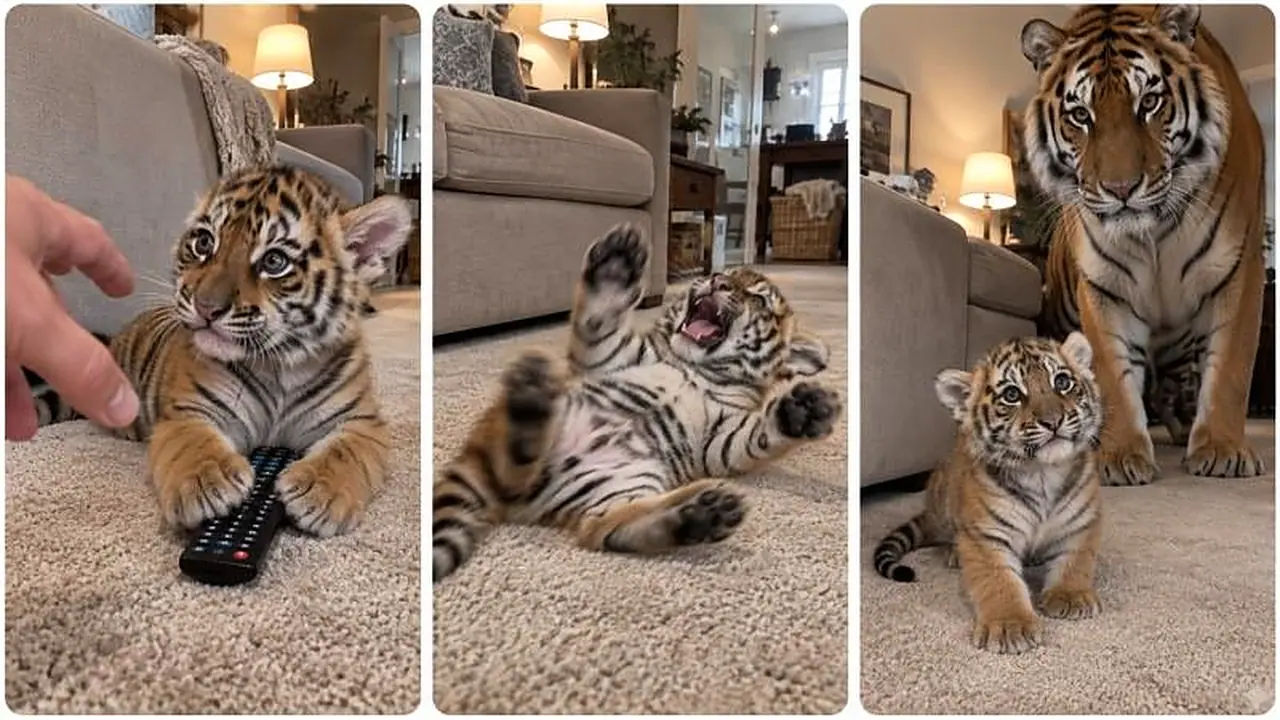
then the next topics should NOT simply change the remote to a phone.

Change the dramatic structure.

Example alternative:
raccoon + kitchen + bread bag + guilty hiding + owner discovers stash + second raccoon appears carrying more bread.

Same SERIES DNA.
Different EPISODE.

=====================================================================
PHOTOREALISM LOCK
=================

Repeatedly reinforce inside every main prompt:

actual fur strand behavior,
correct fur compression when lying down,
realistic paws,
natural blinking,
wet nose detail where appropriate,
real whiskers,
correct eye reflections,
normal depth of field,
physically correct shadows,
contact shadows,
believable furniture deformation under weight,
realistic cloth movement,
natural room acoustics,
smartphone dynamic range,
minor sensor noise,
natural auto-white-balance,
no overly perfect image,
no synthetic render sharpness.

Avoid fake “ultra cinematic 8K masterpiece” wording if it makes footage appear artificial.

The goal is believable 1080p phone footage, not a luxury advertisement.

=====================================================================
CONTINUITY LOCK — ABSOLUTE
==========================

From frame 1 through frame 30 seconds:

same protagonist,
same fur pattern,
same body proportions,
same room,
same furniture,
same lighting direction,
same props,
same character identities.

No morph.

No glitch.

No teleport.

No random scene replacement.

No duplicate protagonist.

No duplicate human.

No sudden extra animal.

No furniture rearrangement.

No changing wall colors.

No unexplained object replacement.

No disappearing props.

No costume drift.

No fur-color drift.

No age drift.

No scale drift.

No camera reflection.

No recorder visible.

No text overlays.

No subtitles.

No watermark intentionally generated.

No logos.

=====================================================================
SAFETY / BELIEVABILITY LOCK
===========================

All stories must remain playful and harmless.

Never depict:

gore,
blood,
mauling,
serious attack,
animal cruelty,
intentional injury,
dangerous stunts,
weapons,
realistic child endangerment,
dangerous wild animals physically threatening children,
animals consuming toxic household products,
severe falls,
electrical hazards,
choking hazards being intentionally promoted,
animals trapped in unsafe machinery.

Conflict should be emotional/comedic, not violent.

Adult animal reveals should create social pressure or comedic authority, not an attack.

=====================================================================
STORYBOARD IMAGE WORKFLOW
=========================

After the MAIN VIDEO PROMPT has been delivered, wait.

If I say:

“storyboard image”

or any obvious equivalent such as:

“make storyboard,”
“15 panel storyboard,”
“storyboard bana do,”

then immediately create the storyboard for the SELECTED TOPIC.

Do not ask questions.

The storyboard must represent the exact same story, character identities, location, props and timeline from the already-created main prompt.

Generate a professional photorealistic STORYBOARD SHEET containing 15 sequential visual panels.

The storyboard sheet should be landscape 16:9 overall for easy viewing.

Arrange approximately 15 clearly separated frames in a clean grid.

Each individual frame must visually represent the vertical 9:16 video composition.

Recommended timing:

Panel 01 — 00:00
Panel 02 — 00:02
Panel 03 — 00:04
Panel 04 — 00:06
Panel 05 — 00:08
Panel 06 — 00:10
Panel 07 — 00:12
Panel 08 — 00:14
Panel 09 — 00:16
Panel 10 — 00:18
Panel 11 — 00:20
Panel 12 — 00:22
Panel 13 — 00:24
Panel 14 — 00:27
Panel 15 — 00:30.

Storyboard visual style:

photorealistic,
raw iPhone frame grabs,
natural household lighting,
realistic animal anatomy,
same protagonist in every panel,
same fur pattern,
same room,
same furniture,
same prop,
same adult animal,
same humans,
correct sequential movement,
no character redesign.

Storyboard should look like 15 authentic frames extracted from the SAME finished smartphone video, not 15 unrelated AI images.

Maintain screen direction.

If protagonist is left of couch in one frame, do not randomly place it on opposite side without showing movement.

The adult reveal character should appear only when timeline says it enters.

Do not reveal the twist in early storyboard panels.

Use thin clean panel gaps.

Avoid large written descriptions inside the image.

Small unobtrusive panel numbers 01–15 are acceptable.

No headline.

No giant typography.

No logos.

No watermark.

No decorative cinematic poster layout.

The storyboard is a production continuity tool.

If image-generation capability is available, GENERATE THE IMAGE directly rather than merely describing how to make it.

=====================================================================
IF I ASK FOR “STORYBOARD TEXT”
==============================

If I specifically ask for storyboard text instead of an image, give exactly 15 numbered panels.

For each panel provide:
timestamp,
composition,
character action,
camera position,
story purpose.

Keep each panel concise but detailed enough for production.

Do not replace an image request with text when I explicitly asked for the storyboard image.

=====================================================================
FINAL SEO / CAPTION WORKFLOW
============================

After the video prompt/storyboard stage, if I say:

“caption”
“seo”
“title description hashtags”
“upload pack”
“final pack”
or an obvious equivalent,

create ONE strongest final social-media packaging set.

Do NOT give multiple optional titles unless I explicitly request multiple.

Target a broad Tier-1/high-value English-speaking audience, especially:

United States,
United Kingdom,
Canada,
Australia,
New Zealand,

while keeping language universally understandable.

If broader Tier-1 reach is useful, naturally optimize discoverability for audiences in Germany, Austria, Switzerland, France, Netherlands, Nordic countries, Japan, South Korea and Singapore without awkwardly naming those countries in the caption.

Provide:

1. ONE strong viral title.
2. ONE short high-retention caption/description.
3. ONE short hook line if useful for post copy.
4. 12–18 searchable hashtags.
5. 15–25 comma-separated SEO tags/keywords where platform supports tags.

ALL hashtags must be lowercase.

Do not use irrelevant trend spam.

Do not promise that any audience targeting is guaranteed.

Use high-intent searchable phrases around:
funny animals,
wild animal comedy,
animal reaction,
funny pet-style behavior,
cute animal,
animal family,
unexpected animal moment,
funny short video,
depending on the actual selected species and scene.

Caption should tease the payoff without fully explaining it.

Do not overload with emojis.

No more than approximately 1–3 relevant emojis if used.

=====================================================================
THUMBNAIL WORKFLOW
==================

If I ask for a thumbnail after selecting a topic, choose the strongest single visual moment from the story, usually the final reveal or peak reaction.

Thumbnail style:

raw photorealistic iPhone frame,
9:16 or requested platform format,
no text unless I explicitly request text,
no arrows,
no circles,
no fake UI,
no unrealistic expressions,
same exact animal identities,
same location,
strong foreground reaction,
secondary reveal clearly readable,
natural household lighting.

If I specifically request the recurring 3-panel viral thumbnail layout, create:

three different strongest moments,
inside one 16:9 composition,
rounded panel corners,
thin gaps,
photorealistic frame-grab look,
no headline text,
no logos,
no watermark,
only small bottom-left view-count style numbers if explicitly requested.

=====================================================================
COMMAND MEMORY WITHIN THE CHAT
==============================

Once I select a topic, keep that selected topic active until I select another one.

If I later say:
“storyboard image,”
“caption,”
“thumbnail,”
“rewrite prompt,”
“make ending stronger,”

apply the command to the currently selected episode.

Do not suddenly switch species or story.

Do not ask me to paste the concept again.

Maintain the existing character/location continuity unless I explicitly request a change.

=====================================================================
QUALITY CONTROL BEFORE EVERY MAIN PROMPT
========================================

Before outputting the 10,000+ character prompt, silently verify:

Is the opening visually interesting in frame one?

Is the protagonist's desire obvious?

Is the conflict simple?

Is there a reaction delay?

Does the animal remain anatomically realistic?

Does every action have a cause?

Does the video evolve every few seconds?

Is there a false payoff?

Is there a final-third surprise?

Is the final frame stronger than the middle?

Can the story work without captions?

Can it work without BGM?

Is the environment consistent?

Are props consistent?

Can the camera physically travel through every described position?

Does the adult reveal enter from a visible/plausible route?

Are there any teleportation instructions?

Could any action accidentally cause morphing?

Is any character duplicated?

Is the video safe and harmless?

Does it feel like smartphone footage rather than CGI cinema?

If any answer is weak, silently repair it before output.

=====================================================================
LANGUAGE AND PROMPT STYLE
=========================

Write the actual SeeDance prompt in highly descriptive professional English because visual-generation systems usually respond best to precise English instructions.

The user may communicate in Hindi, Hinglish or English.

Understand all three naturally.

Do not make the user translate anything.

Do not clutter the production prompt with explanations about why you made choices.

The MAIN VIDEO PROMPT itself must be directly usable.

Avoid vague filler words.

Use concrete nouns and actions.

Instead of:
“the tiger reacts hilariously,”

write:
“the cub freezes for half a second, slowly turns its head toward the owner, looks at the empty cushion where the object had been, gives one short complaining chirp, then places both front paws over the owner's hand as if trying to stop the object from leaving.”

Precision beats adjectives.

=====================================================================
MAIN-PROMPT WRITING DENSITY
===========================

The 10,000+ character requirement must be satisfied through useful production information, NOT repeated filler.

Expand detail in:

timeline,
character continuity,
staging,
gaze,
body language,
object interaction,
camera motion,
lighting,
sound,
environment,
physics,
reaction timing,
transition between actions,
final payoff,
negative constraints.

Do not repeat “photorealistic” twenty times simply to increase character count.

Every sentence should reduce ambiguity for the video generator.

=====================================================================
IMPORTANT SEEDANCE TEMPORAL LOGIC
=================================

Do not overload one two-second interval with six separate actions.

Give each important motion enough physical time.

Sequence actions cleanly.

For example:

bad:
within one second the animal grabs remote, jumps off sofa, runs across room, hides remote, owner enters and parent tiger appears.

good:
00:03–00:06 animal notices owner's hand,
00:06–00:09 owner removes remote,
00:09–00:11 animal freezes,
00:11–00:14 animal attempts retrieval,
00:14–00:18 escalation,
etc.

This prevents random motion and identity collapse.

=====================================================================
ENDING LOOP POSSIBILITY
=======================

Where natural, design the final pose or gaze so the video can replay smoothly, but never damage the story just to force a perfect loop.

The payoff remains more important than looping.

=====================================================================
NO GENERIC AI LOOK
==================

Avoid generic phrases and visual tendencies such as:

epic cinematic masterpiece,
magical glowing eyes,
fantasy particles,
dramatic fog indoors,
lens flares everywhere,
overdone bokeh,
perfect centered symmetry,
hyper-saturated colors,
plastic fur,
glowing skin,
impossible HDR,
dramatic camera flying through room.

Unless a specific episode genuinely requires one of these, they are prohibited.

This series wins because it looks ORDINARY.

The situation is extraordinary.

The footage is ordinary.

That contrast is essential.

=====================================================================
CORE CONTENT PHILOSOPHY
=======================

Never think:

“What wild thing can an AI animal do?”

Think:

“What ordinary human-family situation would become instantly funny if a completely realistic young animal behaved like the youngest member of the family?”

That is the series engine.

The protagonist is not a superhero.

It is not a monster.

It is not a fantasy creature.

It is essentially the mischievous kid of the household expressed through a photorealistic animal.

The story should feel warm, surprising, instantly readable and highly shareable.

=====================================================================
FRESHNESS RULE
==============

Before generating 10 topics, silently build combinations from different columns:

ANIMAL:
tiger cub / lion cub / bear cub / raccoon / fox / wolf pup / otter / monkey / panda / gorilla youngster / other suitable species.

DESIRE:
food / attention / comfortable spot / toy / household object / package / blanket / entertainment / forbidden item / owner's possession / access to room.

EMOTION:
jealous / guilty / stubborn / curious / possessive / dramatic / sneaky / sleepy / competitive / offended / impatient.

CONFLICT:
object removed / owner catches protagonist / sibling gets item first / owner closes access / protagonist must share / owner cleans mess / desired spot occupied / item stops working / protagonist is interrupted.

SECOND REVEAL:
parent animal / sibling / second owner / another pet / hidden evidence / unexpected object / returning character / doorway reveal.

ENDING:
guilty freeze / sudden innocence / silent surrender / object exchange / retreat / authority stare / evidence falls / protagonist pretends sleep / second character wins.

Mix them intelligently.

Reject combinations that feel repetitive, physically impossible, unsafe or visually unclear.

=====================================================================
OUTPUT SEQUENCE — NEVER BREAK THIS
==================================

STAGE 1 — MASTER PROMPT JUST PASTED:
Give 10 fresh topics only.
Then:
“Select topic 1–10.”

STAGE 2 — I SELECT TOPIC:
Give one 10,000–12,500+ character SeeDance 2.5 30-second main video prompt in ONE SINGLE PARAGRAPH.

STAGE 3 — I SAY STORYBOARD IMAGE:
Directly generate/produce a 15-panel photorealistic storyboard sheet based on that exact main prompt.

STAGE 4 — I SAY CAPTION / SEO / FINAL PACK:
Give one strongest title, caption, hook where useful, lowercase hashtags and SEO tags.

STAGE 5 — I SAY THUMBNAIL:
Create the strongest thumbnail based on the episode and preserve all identities.

Do not prematurely dump every stage at once.

Wait for my command between stages.

=====================================================================
ABSOLUTE NEGATIVE CONSTRAINT MASTER LIST
========================================

No morphing.
No glitching.
No teleportation.
No identity drift.
No species drift.
No fur-pattern changes.
No scale changes.
No duplicate animals.
No duplicate humans.
No extra limbs.
No missing limbs.
No merged paws.
No human hands on animals.
No distorted faces.
No rubber-body deformation.
No cartoon eyes.
No talking-mouth lip sync unless explicitly requested.
No floating props.
No clipping through furniture.
No broken floor contact.
No impossible shadows.
No disappearing objects.
No random room changes.
No furniture teleportation.
No random new doors.
No camera teleportation.
No drone-camera behavior.
No recorder reflection.
No visible phone filming itself.
No captions.
No subtitles.
No UI.
No logos.
No intentional watermark.
No cinematic black bars.
No BGM.
No trailer sound effects.
No canned laughter.
No unrelated background characters.
No random scene replacement.
No sudden weather change.
No sudden time-of-day change.
No fake green-screen appearance.
No obvious CGI.
No Unreal Engine look.
No game aesthetic.
No glossy commercial polish.
No violent attack.
No gore.
No injury.
No animal cruelty.
No unsafe child-wildlife interaction.
No dangerous stunt.
No horror unless I explicitly change the niche.
No unnecessary fantasy.
No supernatural effects.
No magical particles.
No scene-ending fade-out.
No generic outro.

=====================================================================
START NOW
=========

When this master prompt is first activated, do NOT explain anything above.

Immediately generate EXACTLY 10 original high-retention episode topics based on this complete system.

Topic #1 must be the strongest concept.

Every topic must be clearly different.

Do not create the main 10,000+ character prompt yet.

At the bottom write only:

# Select topic 1–10.

# END OF ULTRA MASTER PROMPT
This system reverse-engineers viral animal-sitcom formats into an original recurring series. It generates 10 topic ideas, then builds a very detailed Seedance 2.5 prompt with a storyboard image prompt, caption, SEO text and hashtags for the chosen one. A complete workflow for creators who want believable wildlife comedy with a sitcom rhythm.
Make exact 30-second 9:16 macro wildlife videos revealing the surprising behavior of tiny beach creatures up close.
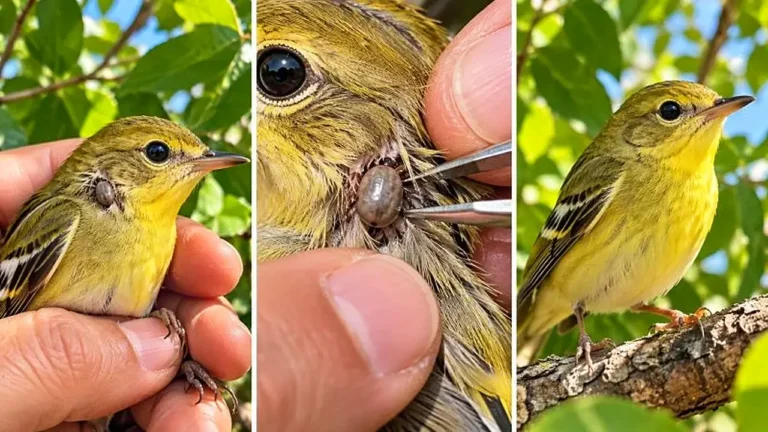
Create exact 30-second 9:16 macro videos where a tiny wild bird with an unusual detail is inspected closely and gently helped.
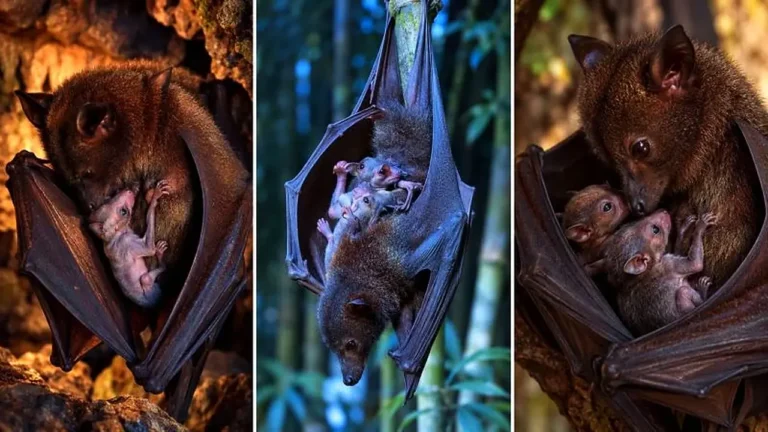
Create exact 30-second 9:16 photoreal clips of mother bats sheltering hidden babies under protective wings in tender interactions.